
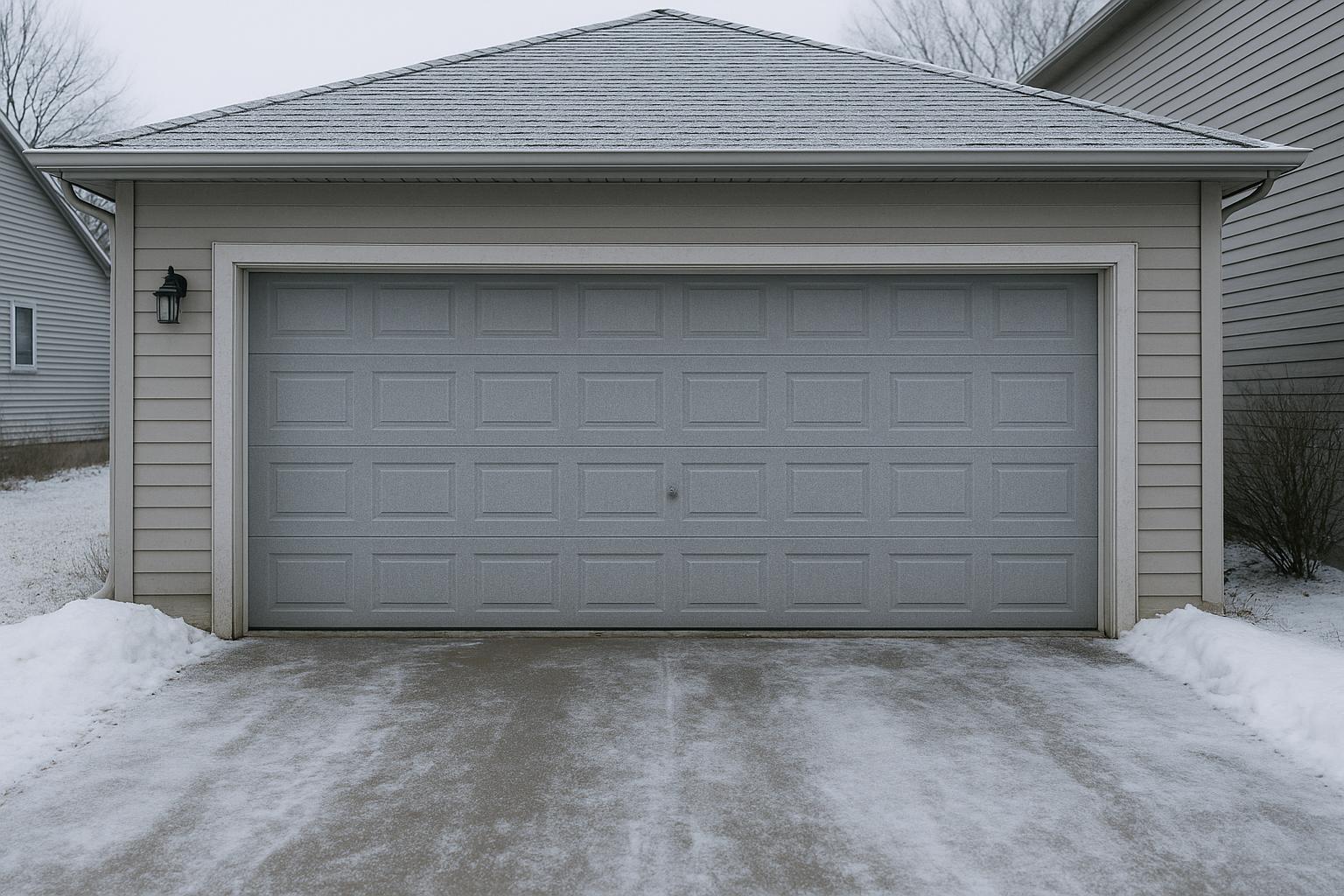
Winter Is Tough on Garage Doors in Indianapolis
If you've lived in Indianapolis for more than a season or two, you know our winters don't mess around. Between freezing rain, sub-zero wind chills, and heavy snowfall, the cold months put every part of your home to the test — including your garage door.
Most homeowners don't think much about their garage door until something goes wrong. But when temperatures drop into the teens or single digits, your garage door system is under more stress than at any other time of year. Understanding how cold weather affects your garage door can help you avoid unexpected breakdowns, stay safe, and save money on emergency repairs.
Metal Contracts in the Cold — And That Matters
One of the most basic principles of physics plays a big role in winter garage door problems: metal contracts when it gets cold. Your garage door system is full of metal components — springs, tracks, hinges, rollers, and hardware — and all of them shrink slightly in freezing temperatures.
This contraction can cause several issues:
- Tighter springs: Torsion and extension springs lose some of their flexibility in the cold, which means your opener has to work harder to lift the door. This added strain can shorten the lifespan of both the springs and the opener motor.
- Misaligned tracks: Even minor contraction in the metal tracks can cause the door to bind, stick, or move unevenly. You might hear scraping or grinding noises that weren't there in warmer months.
- Brittle hardware: Bolts, brackets, and hinges become more prone to cracking or snapping when they're cold and under stress.
If your garage door sounds different or moves more slowly on cold mornings, metal contraction is likely the reason.
Garage Door Springs Are More Likely to Break in Winter
Spring breakage is one of the most common garage door repairs we handle during Indianapolis winters. Cold temperatures make the steel in your springs more brittle, and a spring that was already nearing the end of its life cycle is far more likely to snap when it's 10°F outside than when it's 70°F.
A broken spring is more than an inconvenience — it can be dangerous. The spring is under enormous tension, and when it breaks, it releases that energy instantly. This is why we always recommend professional spring replacement rather than attempting a DIY fix.
If your garage door suddenly won't open, feels extremely heavy when you try to lift it manually, or you heard a loud bang coming from the garage, there's a good chance a spring has broken.
Your Garage Door Opener Works Harder in the Cold
Your garage door opener's motor is designed to lift a specific amount of weight. When cold weather causes springs to stiffen, lubricant to thicken, and weatherstripping to stick, the effective weight of the door increases. Your opener has to compensate for all of that extra resistance.
Over time, this added workload can:
- Burn out the motor prematurely
- Strip the gears inside the opener
- Cause the opener to trigger its safety reverse because it senses too much resistance
- Reduce the overall lifespan of the unit
If your opener is struggling, making unusual noises, or moving the door more slowly than usual during cold snaps, it's a sign that something in the system needs attention.
Weatherstripping and Seals Crack and Shrink
The rubber weatherstripping along the bottom and sides of your garage door is your first line of defense against cold air, moisture, and pests. Unfortunately, rubber and vinyl seals become stiff and brittle in freezing temperatures. Over time, they crack, shrink, and lose their ability to form a tight seal.
Damaged weatherstripping leads to:
- Cold drafts entering your garage
- Higher energy bills if your garage is attached to your home
- Moisture and ice buildup inside the garage
- An entry point for rodents looking for warmth
Replacing worn weatherstripping is one of the most affordable garage door maintenance tasks, and it makes a noticeable difference in keeping your garage warmer and drier throughout the winter.
Frozen Garage Doors: A Common Indianapolis Problem
After a night of freezing rain or melting snow that refreezes overnight, your garage door can literally freeze to the ground. The bottom seal bonds to the concrete or asphalt, and when you hit the opener button, the door won't budge — or worse, the opener tries to force it open and damages something in the process.
Here's what to do if your garage door is frozen shut:
- Don't keep pressing the opener button. Repeated attempts can burn out the motor or damage the door panels.
- Try to break the ice seal gently. Use a flat shovel or a heat gun to carefully melt or chip away the ice along the bottom of the door.
- Apply a silicone-based lubricant to the bottom seal after freeing the door. This helps prevent it from freezing to the ground again.
- Keep the area in front of the door clear of snow and standing water to reduce the chance of refreezing.
Lubrication Thickens and Stops Working
The lubricant on your garage door's moving parts — rollers, hinges, springs, and tracks — can thicken or even solidify in extreme cold. When this happens, the door moves sluggishly, makes more noise, and puts extra strain on every component.
We recommend using a silicone-based or lithium-based garage door lubricant, which performs much better in cold temperatures than standard grease or WD-40. A quick application before winter sets in can prevent a lot of problems down the road.
How to Protect Your Garage Door This Winter
A little preventive maintenance goes a long way toward keeping your garage door reliable all winter. Here are our top recommendations for Indianapolis homeowners:
- Schedule a professional maintenance visit before the coldest months arrive. A technician can inspect springs, lubricate moving parts, check the opener, and identify potential problems before they become emergencies.
- Inspect and replace weatherstripping if it's cracked, torn, or no longer sealing properly.
- Lubricate all moving parts with a cold-weather-rated lubricant.
- Test the balance of your door by disconnecting the opener and lifting the door manually. It should stay in place when you let go halfway up. If it doesn't, the springs may need adjustment.
- Keep the tracks clean and free of debris, ice, and salt buildup.
- Consider insulating your garage door if you haven't already, especially if your garage is attached to your home.
Don't Wait for a Breakdown — Call Us Before the Cold Hits
At Indianapolis Garage Door Service, we help homeowners across Indianapolis, Lawrence, Greenfield, McCordsville, Fortville, and Cumberland keep their garage doors running smoothly through even the harshest winter conditions. Whether you need a maintenance tune-up, spring replacement, opener repair, or a full door installation, our team shows up on time and gets the job done right.
If your garage door is already showing signs of cold-weather stress — strange noises, slow movement, or difficulty opening — don't wait until it fails completely. Give us a call and let's get it taken care of before the next cold snap rolls in.